A household learns its own plumbing without meaning to. You find out which drain is slow, that the second toilet does not like much paper, where the tap is that turns the water off. None of it gets written down because none of it needs to be.
A property with high guest turnover has none of that accumulated knowledge, ever. Every occupant is a first-time user, and a lot of them are here for a week with sandy gear and no reason to think about the drains at all. That is not a criticism of guests. It is a structural feature of the property, and it produces a recognisable set of plumbing problems.
Properties with high turnover block more often, and the causes are predictable: wipes and sanitary items in the toilet, sand and hair in the showers, fat down the kitchen sink, and nobody present to notice a slow drain before it becomes a stopped one. Most of it is prevented by clear signage, the right bins, and a maintenance schedule that does not rely on anyone reporting anything.
- Put a bin in every bathroom, visible, with a liner
- Sign the toilet plainly, politely and briefly
- Give beach gear somewhere to be rinsed that is not the bathroom
- Have the drains cleared and filmed on a schedule, not on complaint
- Make sure your cleaner knows what to report and to whom
On this page
1. Why turnover changes the plumbing, not just the wear
The obvious assumption is that more people means more use, and more use means more problems. That is true and it is the smaller half of it.
The larger half is information. In a normal household, a slow drain is noticed on day one and mentioned on day three. Somebody knows the second bathroom has always been temperamental. Somebody knows where the stop tap is. That knowledge is what stops small problems becoming call-outs.
In a property with weekly turnover, none of it accumulates. A drain can be slow for two months and be politely tolerated by eight consecutive groups of people who each assume it is just how the house is. Then it stops completely, on a Saturday, with a full house.
They are on holiday and they leave on Sunday. Any maintenance plan that depends on guests reporting things has already failed.
2. What actually goes into these drains
- Wipes. The single biggest cause, everywhere, and worse where nobody has any stake in the plumbing. They do not break down, and "flushable" on a packet does not change that.
- Sanitary items. Overwhelmingly a bin problem rather than a people problem. A bathroom with no visible bin produces this outcome reliably.
- Sand and hair. Showers used by people coming straight off the beach, several times a day, all season.
- Fat and oil. Holiday cooking is not everyday cooking, and the kitchen sink takes what it takes.
- Objects. Toys, bottle caps, hair ties. More common in a house with unfamiliar bathrooms and children than in one without.
Almost every item on that list is prevented by something costing under fifty dollars and thirty seconds of a guest's attention. That is the encouraging part.
3. Signage and bins do most of the work
This is unglamorous and it is genuinely the highest-return thing an owner can do.
A bin in every bathroom, visible, with a liner in it, prevents more blockages than any amount of drain maintenance. If there is nowhere obvious to put something, it goes in the toilet. That is not carelessness, it is the absence of an alternative.
Signage works when it is short, polite and specific. "Please only flush toilet paper. Bin provided for everything else, including wipes." One sentence, at eye level, in the room. Long notices are not read and hectoring ones are resented.
And give the beach gear somewhere to go. An outside tap or shower that guests are actually told about will divert a remarkable amount of sand away from the bathroom, which is the other half of the problem on this coast.
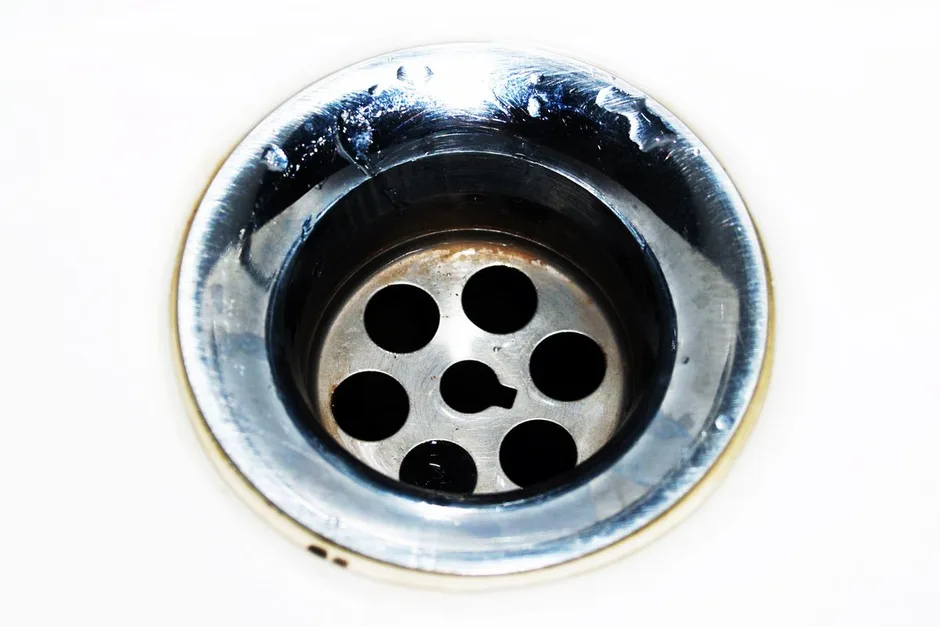
4. Maintain on a schedule, not on complaint
The core change for a high-turnover property is that maintenance has to be scheduled rather than triggered, because the trigger does not work: guests do not report and small problems are invisible until they are not.
- Clear and film the main drainage line before the busy season rather than during it.
- Check and clear the stormwater pits at the same time.
- Check the flexible hoses under every sink and basin annually. In an unoccupied property a failure runs unnoticed for a long time.
- Know where your isolation valve is, and make sure your cleaner and manager do too.
- Have the hot water system looked at on a schedule, not when a guest reports cold water on a Saturday.
The scheduling argument is not really about plumbing. It is that an emergency in a let property costs the call-out plus a night's accommodation plus a review, and that arithmetic makes prevention cheap.
Managing a property with high turnover?
We can clear and film the drainage between seasons rather than during a booking.
5. Your cleaner is your early warning system
The one person who sees the property every week is the cleaner, and they are usually given no brief about plumbing at all.
Five minutes of instruction turns them into the thing the property is otherwise missing: somebody who notices. Ask them to report a shower that is draining slowly, a toilet that needs a second flush, a smell in a bathroom that was not there last week, and any bin that is consistently overflowing, because that last one is telling you the bin is too small.
And tell them who to report it to and how. A cleaner who mentions a slow drain to nobody in particular has still done their part.
6. If the property is in a building
Where the property is an apartment, everything above still applies, and two things are added.
The first is that a blockage in a shared line affects households who have no connection to your letting arrangement at all, which makes prevention a neighbourly obligation as well as a commercial one.
The second is access. Know in advance who authorises a plumber to attend and how that happens out of hours, because finding out during an emergency, with guests in the property, is the worst possible time. Building management will usually tell you if you ask before you need it.
- High turnover removes the accumulated knowledge that normally catches small problems early.
- A slow drain can be tolerated by eight consecutive groups and then fail on a full weekend.
- Wipes, sanitary items, sand, hair and cooking fat are the predictable causes.
- A visible bin in every bathroom and one short polite sign prevent most of it.
- Schedule the clearing and filming between seasons. Complaint-driven maintenance does not work here.
- Brief the cleaner on what to report. They are the only person who sees it every week.
Short-stay properties FAQs
Are flushable wipes actually flushable?
Not in any way that matters to your drainage. They do not break down like paper, and they are the most common single cause of blockages in properties like these. A bin and a sign solve it far more reliably than hoping.
How often should a let property have its drains cleared?
It depends on the property, the number of bathrooms and the traffic. What matters more than the interval is that there is one, and that it falls between seasons rather than during a booking. Filming it once gives you a baseline to set the interval from.
Guests keep blocking the toilet. What do I do?
Put a lidded bin beside it with a liner, and one short sign at eye level. If it still happens, get the line filmed, because a toilet that blocks easily often has something downstream making it marginal.
Is sand really a problem in the bathroom?
On this coast, yes. Showers used several times a day by people coming off the beach accumulate sand and hair at a rate an ordinary household never approaches. Giving guests an outside rinse and telling them about it makes a real difference.
What is the most expensive thing that goes wrong?
A failed flexible hose in an unoccupied property, running unnoticed. It is inexpensive to prevent by replacing ageing hoses on a schedule, and the alternative is the worst water damage that happens in residential property.
Who should the cleaner call?
Whoever you decide, as long as it is decided in advance and they know. The failure mode is not a cleaner who does not notice, it is a cleaner who notices and has nobody to tell.